
Travel Tips
Paris, France
Paris is the capital and largest city of France,
situated on the River Seine in the north of the
country, in the heart of the Île-de-France region.
The city itself has a population of about 2.1 million,
while the greater Paris metropolitan area is home to
more than 12 million people, making it one of the
largest and most influential urban areas in Europe.
Paris is divided into 20 arrondissements which spiral
outwards from the city centre, and it is one of the
world's leading centres of art, fashion,
gastronomy, science and education.
Few cities can match the richness of the Parisian
landscape: the Eiffel Tower, the Louvre, Notre-Dame
Cathedral, the Arc de Triomphe, the Champs-Élysées
and the hilltop basilica of Sacré-Cœur are only a few
of its celebrated landmarks. The banks of the Seine,
listed as a UNESCO World Heritage site, are lined with
historic bridges, bookshops and elegant boulevards,
while world-class museums such as the Musée d'Orsay
and the Centre Pompidou hold collections of global
importance. Beyond the monuments, the city charms
visitors with its café terraces, markets, gardens and
the distinct atmosphere of each neighbourhood.
Paris is also a major academic hub, hosting some of the
oldest and most prestigious institutions in Europe,
including Université Paris Cité, the sponsor of
ICISS 2027. With its excellent transport network,
including two international airports and one of the
densest metro systems in the world, Paris is easy to
reach from any part of the globe and offers delegates
an unforgettable combination of culture, science and
hospitality.
City
Information
France International Telephone: +33
Language: French
Currency: Euro (EUR)
Time Zone: CET (UTC+1), CEST (UTC+2) in summer
Attractions
 |
 |
 |
||||
|
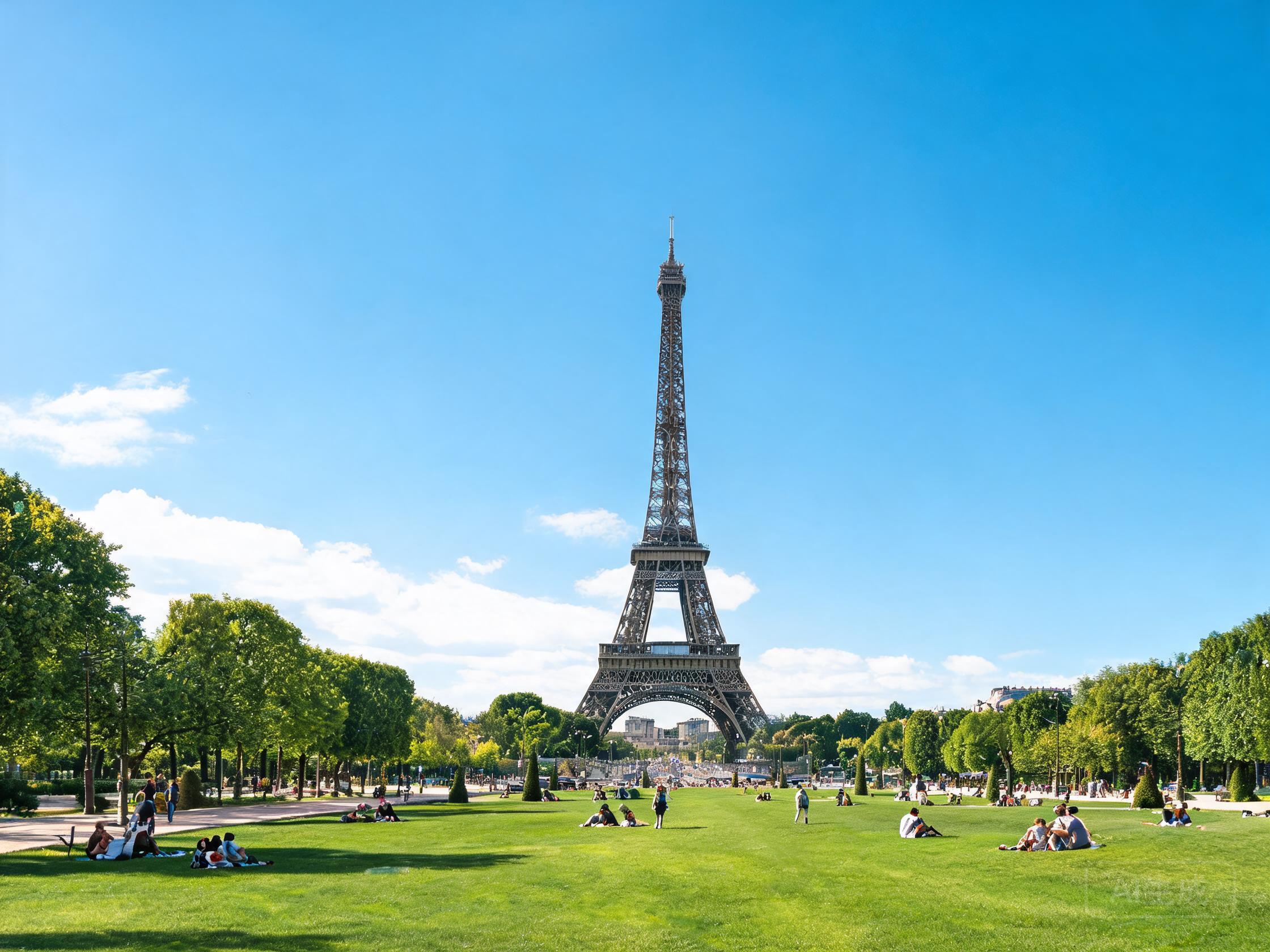
Eiffel Tower The iron lattice tower on the Champ de Mars was built between 1887 and 1889 for the World's Fair and stands 330 metres tall. It remains the symbol of Paris and one of the most visited monuments in the world, offering panoramic views over the city from its upper levels. |
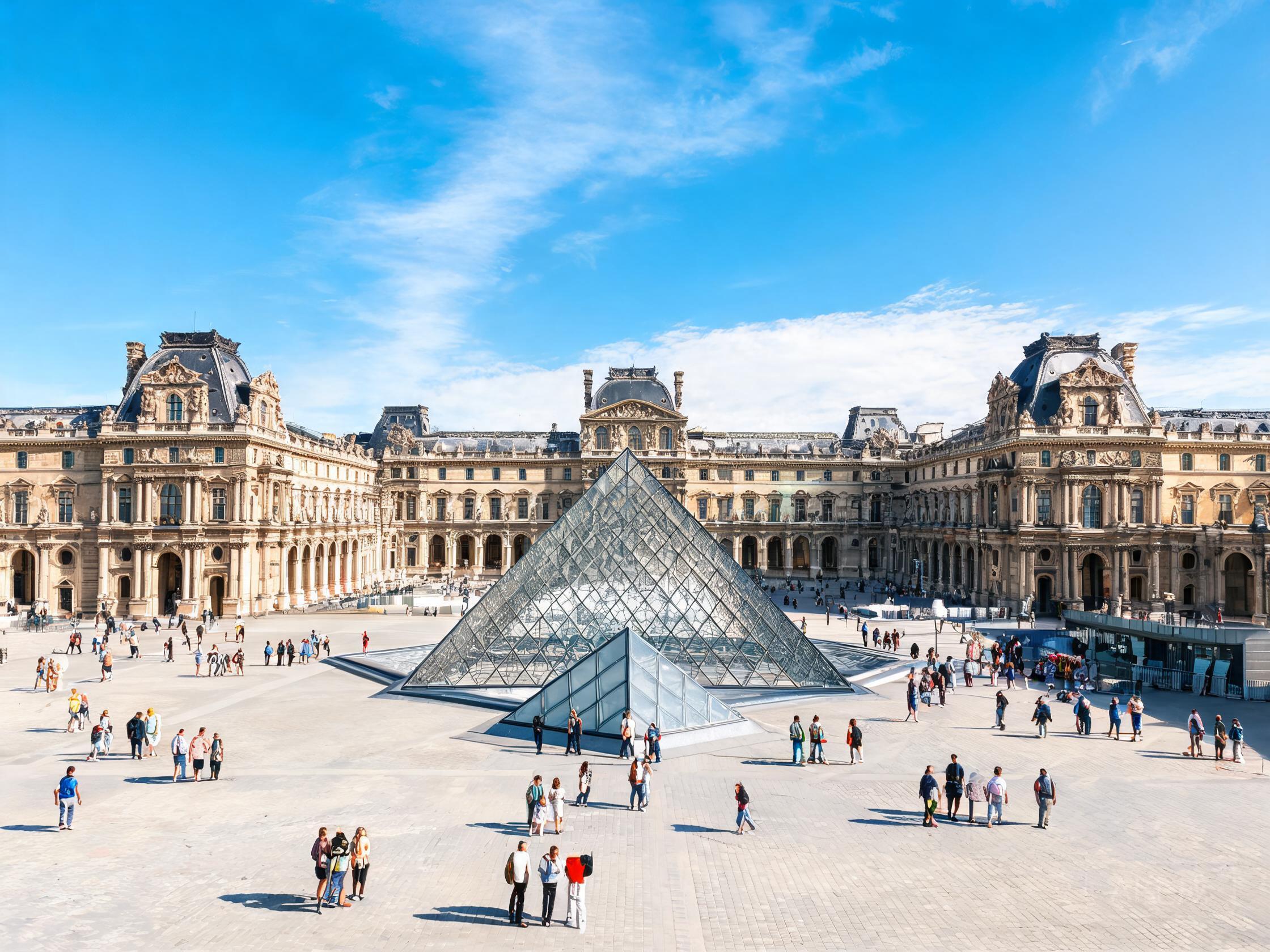
Musée du Louvre Housed in a former royal palace beside the Seine, the Louvre is the largest art museum in the world. Its collection spans antiquity to the mid-19th century and includes the Mona Lisa, the Venus de Milo and the Winged Victory of Samothrace, all framed by I. M. Pei's glass pyramid. |
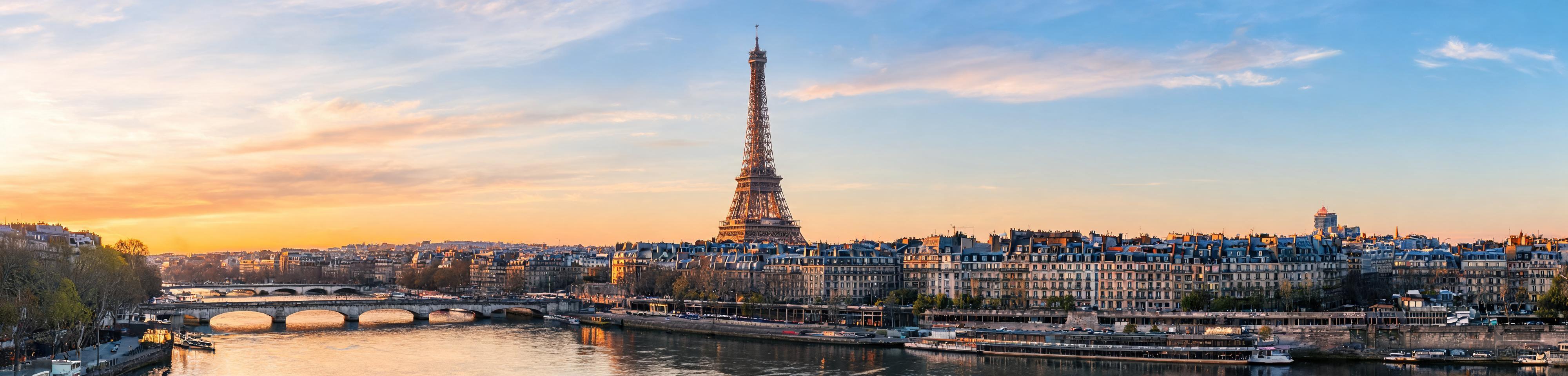
The Seine and the City Skyline A cruise along the Seine passes the bridges, quays and landmarks of the historic heart of Paris, including Île de la Cité and Notre-Dame Cathedral. Walking the riverside promenades is one of the best ways to enjoy the city, especially at sunset. |